
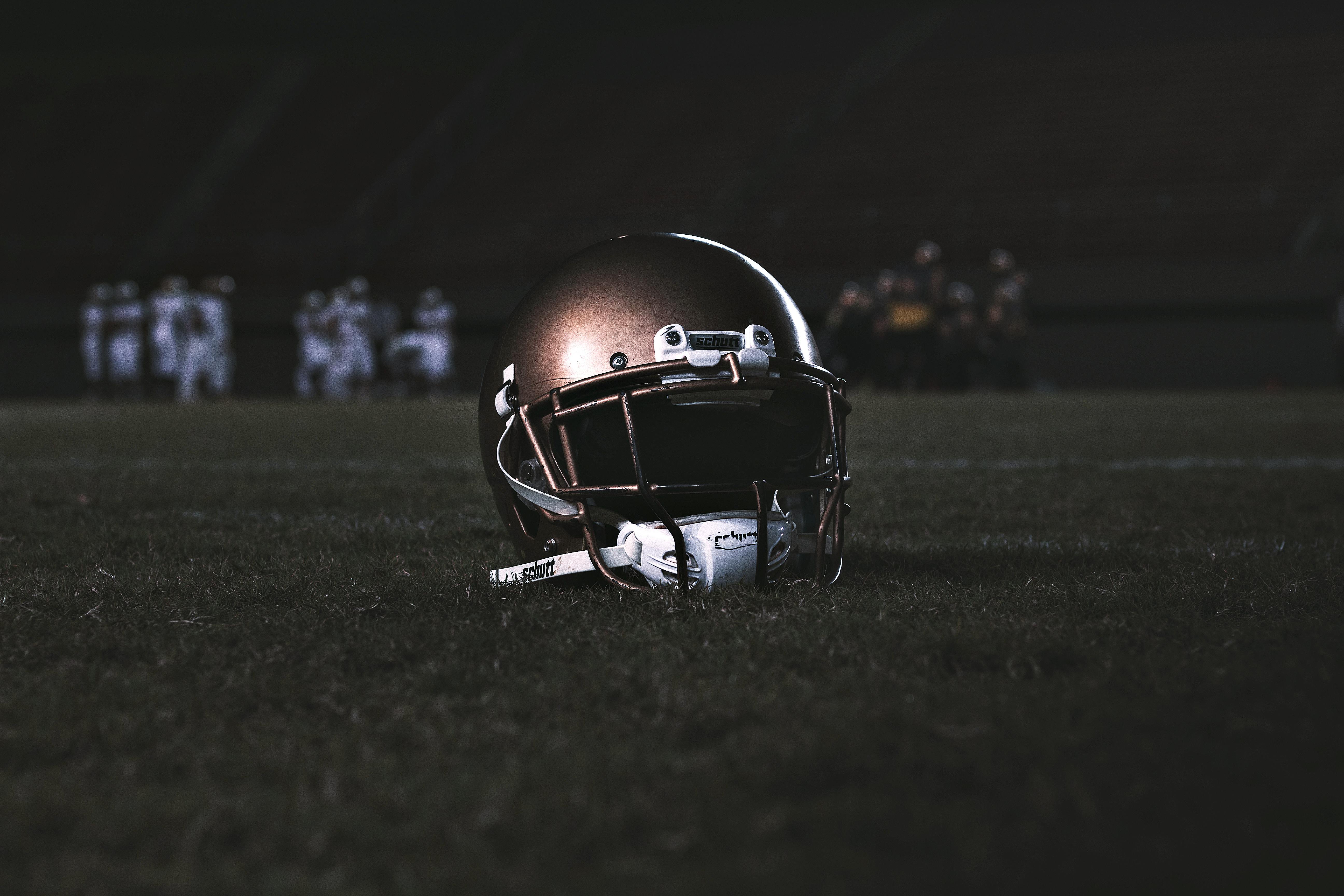
The 2026 NFL Draft reshaped expectations across the league. Teams approached roster building with sharper intent, focusing on speed, versatility, and long-term value. Front offices leaned into analytics while still prioritizing positional needs, creating a draft class that could shift competitive balance quickly.
For fans, the changes are already clear. Several franchises addressed glaring weaknesses, while others doubled down on identity. The result is a league that feels more unpredictable heading into the season, with both conferences showing meaningful evolution.
Quarterbacks Redefine Team Ceilings
Quarterback movement defined much of the 2026 draft narrative. Several teams invested early picks in quarterbacks, signaling urgency to compete or reset. Rookie QBs now enter systems built to support quick adaptation, with offensive schemes tailored to mobility and decision-making.
In the National Football Conference (NFC), teams that struggled with consistency targeted quarterbacks who can extend plays and limit turnovers. This reflects a broader shift toward efficiency over risk. Coaching staffs are prioritizing shorter reads and faster releases, reducing pressure on offensive lines.
The American Football Conference (AFC) saw a mix of long-term projects and immediate starters. Franchises with established rosters focused on finding high upside backups or future successors. This creates internal competition and depth at the most critical position.
These moves raise overall conference ceilings. Even teams in rebuilding phases now have a clearer path forward, anchored by potential franchise quarterbacks who can change outcomes quickly.
Offensive Lines Get Strategic Upgrades
Offensive line investments stood out as one of the most practical outcomes of the draft. Teams across both conferences recognized that protecting quarterbacks and establishing the run game remain essential to sustained success.
Several NFC franchises focused on foundational upgrades:
- Early round tackles with strong pass protection skills,
- Interior linemen who improve pocket stability,
- Players with size and footwork to handle elite edge rushers.
In the AFC, teams prioritized flexibility and depth:
- Linemen capable of playing multiple positions,
- Scheme adaptable blockers for shifting offensive plans,
- Depth pieces to reduce performance drop during injuries.
For bettors tracking roster changes, team pages provide useful context before comparing markets. Updated depth charts, schedules, and matchup information help show how NFC and AFC teams are positioned after the draft. Stronger protection can point to steadier quarterback play, while improved depth may affect win totals, spreads, and early-season value.
Defensive Speed Becomes a Priority
Defensive strategy shifted toward speed and coverage ability. Teams targeted linebackers and defensive backs who can handle hybrid responsibilities, reflecting the league’s pass-heavy direction.
NFC defenses added faster, more flexible pieces:
- Linebackers who excel in pass coverage,
- Edge rushers with quick first-step burst,
- Players who reduce reliance on heavy blitzing.
AFC teams strengthened their secondaries with precision:
- Cornerbacks built for tight-man coverage,
- Safeties who rotate between coverage and run support,
- Depth additions that allow more aggressive schemes.
This shift creates more dynamic defensive units. Rather than relying solely on physical dominance, teams are building units that can adjust mid-play. Faster defenses also lead to tighter games, where positioning and awareness become as important as raw strength.
Skill Positions Gain Versatility
Wide receivers and running backs selected in the 2026 draft reflect a move toward multi-dimensional playmakers. Teams are no longer seeking single-role athletes. Instead, they want players who can line up across formations and create mismatches.
In the NFC, receivers with strong route precision and yards-after-catch ability were prioritized. These players fit into quick-passing systems and help sustain drives, while receiving running backs add another layer to offensive planning.
AFC teams leaned into explosiveness. Deep threat receivers stretch defenses and open space underneath. Hybrid running backs who can split out wide create confusion for opposing defenses, forcing adjustments before the snap.
This versatility expands playbooks. Offensive coordinators now have more options without substituting personnel, keeping defenses off balance. It also increases efficiency, as players contribute in multiple ways rather than being limited to specific packages.
Coaching Fits Shape Rookie Impact
Draft success often depends on how well players fit into coaching systems. In 2026, teams showed a clearer alignment between draft choices and coaching philosophy. This improves the likelihood of early contributions from rookies.
NFC teams emphasized scheme compatibility. Players selected often match existing systems, reducing the learning curve. This approach suggests a focus on immediate improvement rather than long-term development alone.
In the AFC, coaching staffs target traits that can be molded. High ceiling athletes were selected with the expectation that coaching can refine technique over time. This reflects confidence in development programs and staff continuity.
The result is a more deliberate integration of rookies. Teams are not just drafting talent, but placing players in environments where they can succeed quickly. This alignment could lead to more first-year impact across both conferences.
What the 2026 Draft Means for the Season Ahead
The 2026 draft brought clear direction to many franchises. Quarterbacks provide hope and structure, offensive lines add stability, and defenses are built to handle modern passing attacks. Skill players bring versatility, while coaching alignment improves development.
For fans, this means a more competitive and balanced league. Games may hinge on execution rather than talent gaps, as more teams close weaknesses identified last season. Early-season surprises are likely, especially from teams that addressed key needs effectively.
The evolving identity of both conferences sets the stage for a dynamic year. With smarter roster construction and clearer strategies, the impact of the 2026 draft will be felt immediately and throughout the season





Leave a Reply