
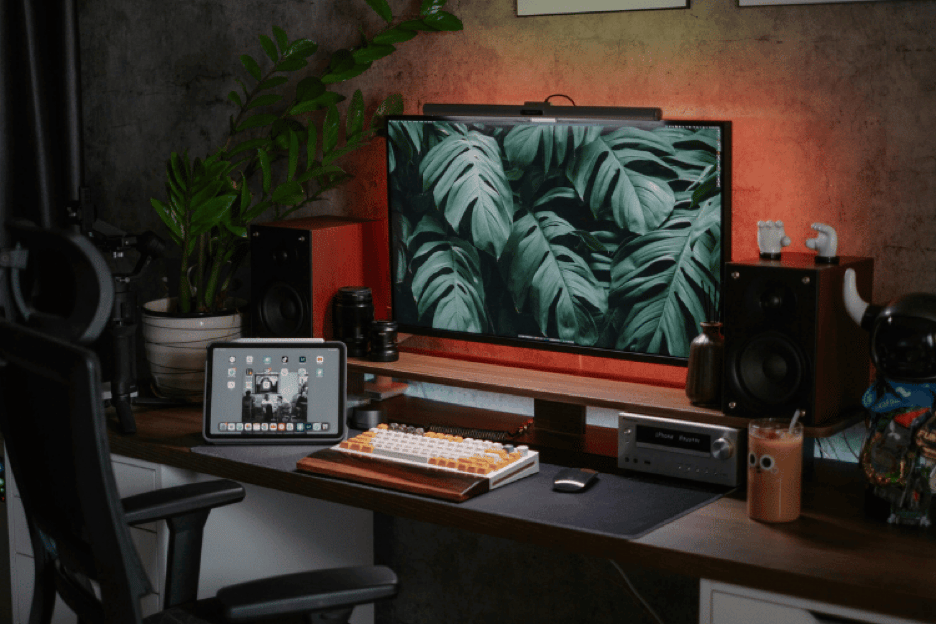
A great music listening setup can completely change how you experience your favorite songs. What once felt flat or compressed can suddenly become layered, detailed, and immersive. Building the right setup at home comes down to understanding your space, choosing the right components, and making thoughtful upgrades over time.
This guide walks through the essentials, from beginner-friendly setups to more advanced configurations, so you can create a system that suits both your ears and your environment.
Start With Your Listening Goals and Space
Before buying any equipment, it helps to define what you actually want from your setup. Not every system needs to be complex or expensive. Your goals will shape every decision that follows.
Ask yourself:
- Do you want casual background listening or focused, high-detail sessions?
- Are you working with a small room, shared space, or dedicated listening area?
- Do you prefer speakers, headphones, or a mix of both?
Room size and layout matter more than most beginners expect. A compact space might benefit from bookshelf speakers or headphones, while larger rooms can accommodate floor-standing speakers. Pay attention to wall materials, furniture, and placement options, as these all affect sound reflection and clarity.
Starting with a clear vision keeps your setup intentional rather than overwhelming.
Understand the Core Components of a Music Setup
Every home audio system, regardless of budget, revolves around a few key components. Understanding their roles helps you build a balanced system rather than overspending in one area.
Here are the basics:
- Source: Where your music comes from. This could be a streaming device, a turntable, a computer, or a CD player.
- DAC (Digital-to-Analog Converter): Converts digital files into analog signals that your speakers or headphones can play.
- Amplifier: Powers your speakers or headphones.
- Speakers or Headphones: The final output where sound becomes audible.
For beginners, an all-in-one system or powered speakers (which include built-in amplification) can simplify the process. As you move toward audiophile territory, separating these components gives you more control over sound quality and customization.
Choosing the Right Speakers or Headphones
Your listening device defines your experience more than anything else. Choosing between speakers and headphones often comes down to your environment and listening habits.
- Speakers offer a room-filling, natural soundstage. They are ideal for shared listening or when you want music to feel spatial and immersive. However, they require careful placement and can be affected by room acoustics.
- Headphones provide precision and detail without needing room optimization. They are perfect for private listening and often deliver higher fidelity at a lower cost than speakers.
Within each category, there are further considerations:
- Bookshelf vs. floor-standing speakers
- Open-back vs. closed-back headphones
- Wired vs. wireless options
Many enthusiasts eventually use both, switching depending on mood or time of day.
Building a Balanced Signal Chain
As you progress beyond entry-level setups, the concept of a “signal chain” becomes more important. This refers to how your audio flows from source to output, and each step can influence the final sound.
A clean, well-matched chain typically looks like this:
- Source — DAC — Amplifier — Speakers/Headphones
This is where brands like Moon Audio often come into the conversation. Known for specializing in high-quality audio components and cables, they focus on refining each link in the chain rather than treating it as an afterthought.
For example, upgrading your DAC or amplifier can reveal details in recordings you may have never noticed before. Similarly, better cables and connections can reduce interference and preserve signal integrity.
If you’re exploring higher-end gear or looking to refine your system, browsing curated DACs, amps, speakers, and headphone options at https://www.moon-audio.com/ can help you understand how different components fit together without unnecessary complexity.
The key is balance. A powerful amplifier won’t fix low-quality speakers, and premium headphones won’t perform well with a weak source. Each piece should complement the others.
Optimizing Your Setup for Better Sound
Even the best equipment won’t perform at its peak without proper setup. Small adjustments can make a noticeable difference.
For speaker systems:
- Position speakers at ear level when seated
- Create an equal triangle between you and the speakers
- Keep them slightly away from walls to avoid bass distortion
For headphones:
- Ensure a proper fit and seal for accurate sound
- Pair them with an appropriate amplifier if needed
Room acoustics also play a role. Soft furnishings like rugs, curtains, and sofas can help reduce echo and improve clarity. You don’t need professional treatment to hear improvements – simple changes often go a long way.
Cable management and clean connections matter too. Loose or low-quality connections can introduce noise or reduce signal strength.
Upgrading From Beginner to Audiophile
One of the most rewarding aspects of building a music setup is that it evolves with you. You don’t need to start with top-tier equipment. In fact, gradual upgrades often lead to better results.
A smart upgrade path might look like this:
- Start with quality headphones or entry-level speakers
- Add a dedicated DAC for clearer sound
- Upgrade your amplifier for better power and control
- Refine with higher-quality cables and accessories
Moon Audio frequently comes up among enthusiasts at this stage because of its focus on premium upgrades that enhance existing systems rather than replacing everything at once.
It’s also important to trust your ears. Technical specifications matter, but personal preference plays an equally important role. What sounds warm and engaging to one listener may feel too colored to another.
Take your time, listen to different setups when possible, and build a system that feels right for you.
Conclusion
Building the perfect music-listening setup at home is all about creating a system that matches your lifestyle, space, and listening preferences.
Start simple, focus on balance, and make upgrades with intention. Pay attention to how each component interacts with the rest, and don’t overlook the impact of setup and environment.
Over time, your system will become more than just a collection of equipment. It will reflect how you experience music, whether that’s casual listening at the end of the day or deep, focused sessions where every detail matters.






Leave a Reply