
Vinyl records can make a familiar track feel less like a file and more like a moment. The sound is stored as physical movement in a groove, and your turntable has to translate that movement back into music in real time. That small act of mechanics can feel closer to a live event than pressing play on a screen.
There is the human side. When you drop a needle, you tend to listen with more attention, and attention shapes what you notice. With that mindset, small details like breath, room tone, and instrument texture can stand out in a way that feels personal.

The Groove Turns Sound Into Motion
A record stores audio as a continuous pattern carved into a spiral groove. When the stylus rides that groove, it vibrates with the same kind of motion created by voices and instruments, just scaled down to microscopic size.
Because playback is physical, tiny changes in the groove, stylus contact, and turntable stability can affect what you hear. That does not automatically mean better, but it can feel more alive because it is happening in the room with you.
This is part of why records hold cultural value as objects, not only as carriers of music. Major archives preserve recordings and formats because they capture how people have listened across generations.
Why The Sound Can Feel More Immediate
A vinyl system is always doing a live translation: groove to stylus movement, stylus to cartridge signal, signal to amplifier, amplifier to speakers. When everything is aligned, the chain can feel direct and tactile.
Many listeners describe a stronger sense of presence with records. Often, that comes from a mix of mastering choices, playback coloration, and the simple fact that you are actively engaged while listening.
Your brain plays a role, too. Research in psychoacoustics shows that perception is shaped by context, attention, and the cues your ears receive, not only by measured sound levels.
The Turntable Setup Shapes The Performance
A turntable is like an instrument you tune. Cartridge alignment, tracking force, and anti-skate help the stylus sit correctly in the groove, reducing distortion and making the stereo image steadier.
Cleanliness matters more than people expect. Dust adds noise and can mask quiet details, while a clean stylus tracks more smoothly and protects your records.
A little planning can save you money and frustration, especially when you are mixing new gear with older components. If you are building or upgrading a setup, browsing a curated shop like Evergreen Vinyl can help you match your turntable, cartridge, and accessories to your listening style without overcomplicating the process. It makes it easier to choose practical add-ons like inner sleeves, a brush, or a stylus cleaner that keep playback consistent.
The Phono Stage Does Quiet Work
The signal from a cartridge is very small, so it needs special amplification before it can play through normal audio inputs. That is the job of the phono preamp, often called the phono stage.
It applies a standard equalization curve used for records, which helps manage noise and allows music to fit in a groove more efficiently. Without that correction, vinyl would sound thin and bright.
Engineers have studied and refined these equalization networks for decades, and getting them right is part of why a well-set-up system can sound smooth and balanced.
Ritual Changes How You Listen
Records slow you down in a good way. Choosing an album, cleaning the side, and flipping the record creates natural pauses that invite deeper listening instead of endless skipping.
That rhythm can make an album feel like a set, closer to how live music is experienced. You often notice transitions, pacing, and quieter tracks that can get ignored in shuffle-based listening.
The physical format nudges you to commit to a side. That commitment can bring back the feeling of being present for a performance rather than sampling background sound.
Making Your Room Part Of The Music
Live music is the band, and it is the space. With a turntable system, the room matters because speakers interact with walls, furniture, and seating position.
Small changes can help a lot: pulling speakers a bit away from the wall, aiming them toward your listening spot, and reducing harsh reflections with soft materials. These tweaks can sharpen the stereo image and make vocals feel anchored.
Your ears use timing and level differences between left and right to build a sense of space. When the system and room support those cues, the soundstage can feel more like a venue than a flat recording.
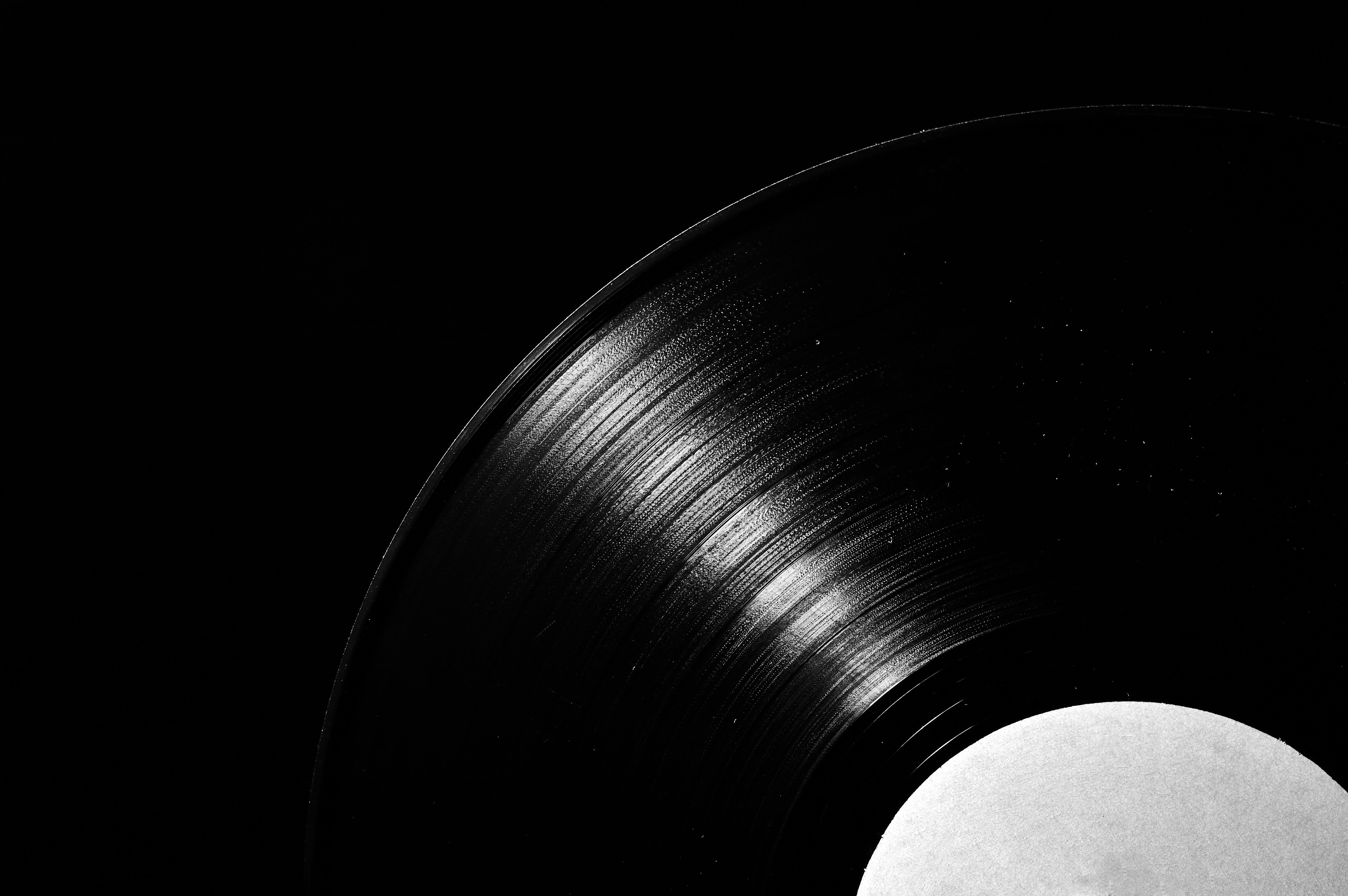
Records can feel like a live performance because playback is a real-time physical event, shaped by your gear, your room, and your attention. When the stylus tracks a groove, you are not just consuming music. You are re-creating it moment by moment.
If you keep your setup clean, dial in basic alignment, and listen with intention, vinyl can deliver that you-are-there feeling in a way that is hard to fake. It is not magic, but it can be wonderfully human.


 Music City Drive-in
Leave a comment