
A great bathroom update starts long before demolition day. Careful planning turns big ideas into clear steps that align scope, schedule, and budget with daily life. Lock key choices early so trades follow the same playbook without surprises.
Plans anticipate lighting and ventilation, then size fixtures and outlets where hands reach. Decide layouts, materials, and lead times upfront. Execution becomes clear, costs stay predictable, and rooms feel intuitive and durable.
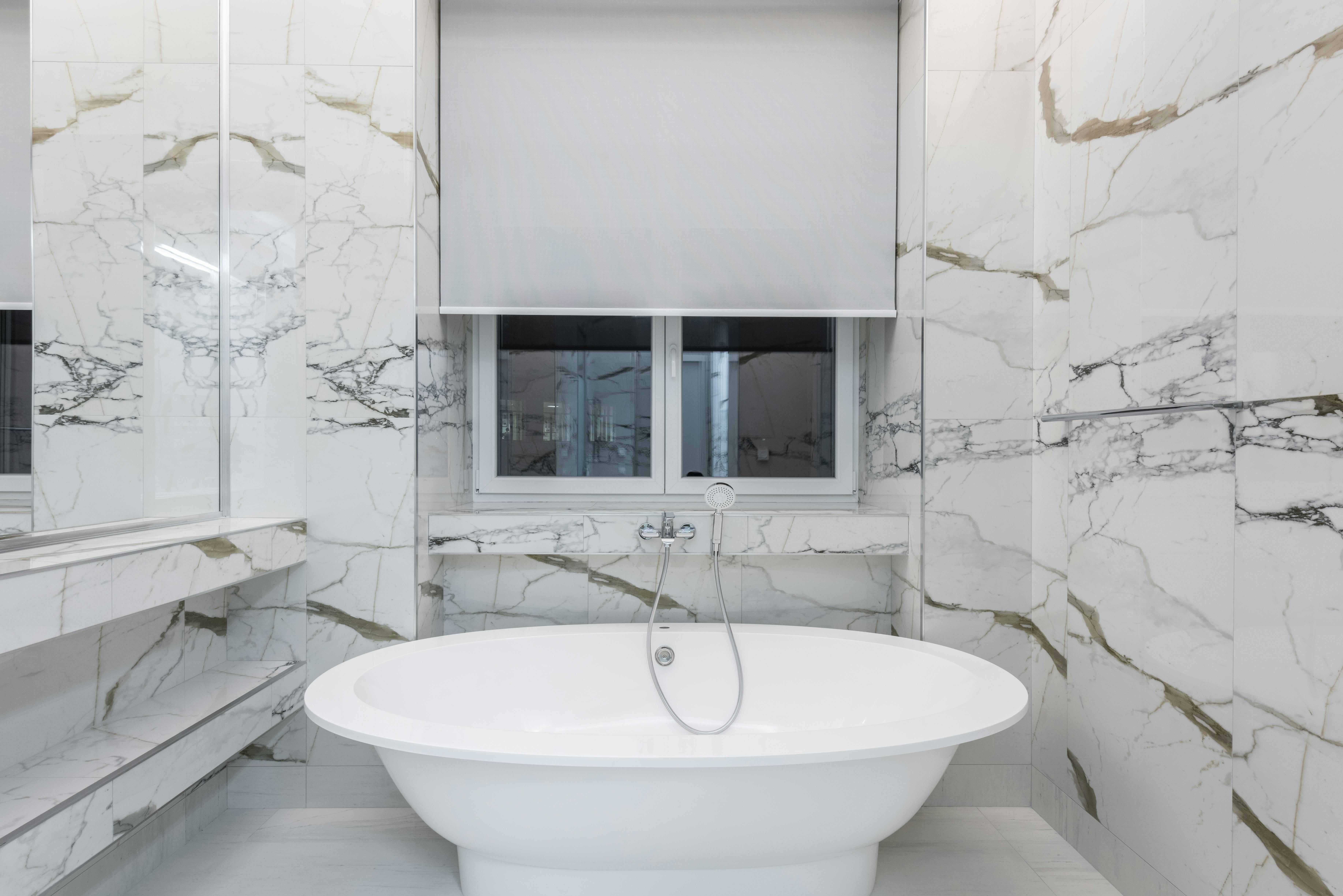
Define Project Goals And Budget Early
Begin with purpose. Decide if you are solving storage, chasing a spa feel, improving accessibility, or fixing moisture issues. Rank goals so tough choices are easier later.
Translate goals into a simple budget map. Set ranges for fixtures, tile, labor, and contingencies. Leave a buffer for hidden issues behind walls or under floors.
Use data to stay grounded. A bathroom trends study noted that while the national median spend eased to about $13,000 in 2024, major remodels nudged up toward $22,000, which shows scope drives cost more than anything. Match your wish list to that reality. If numbers clash, scale the scope before you start.
Map The Layout And Plumbing Realities
Walk the room and mark elements that cannot move without major work. Stacks, vents, and joists set realistic limits on how far fixtures can shift. Group the wet zone tightly to simplify drainage, waterproofing, and maintenance.
Test clearances at full scale with tape outlines for tubs, showers, and vanities. As we can see when we click here, different sinks and basins vary in size, depth, and mounting style. Use these dimensions to place basins where splashes stay contained, and light helps.
Keep plumbing runs short to reduce cost. Confirm heights, reaches, and door swings suit everyone. Add access panels for valves and traps later.
Build A Realistic Timeline And Permitting Path
Timelines fall apart when approvals lag. Check permit requirements early for plumbing, electrical, and structural changes. Submit clear plans and allow time for reviews and inspections.
Sequence trades with buffers. Demolition exposes surprises, so keep a contingency day between demo and rough-in. Order long-lead items before work begins so delivery does not stall framing.
Set milestones that everyone understands. Rough-in complete, waterproofing signed off, tile finished, and final punch are simple markers. Share dates with the team and update when anything shifts.
Select Moisture-Smart Materials And Finishes
Moisture is the enemy of longevity. Choose cement backer board, sheet membranes, and properly sloped pans, so water goes where it should. Seal every seam and change of plane with care.
Pick surfaces that balance beauty and toughness. Large-format porcelain reduces grout lines and cleaning time. Use slip-rated finishes on floors and epoxy or urethane grout where spray is constant.
Match finishes to maintenance habits. Satin or matte paints hide water spots better than high gloss. In niches and benches, tilt surfaces slightly so water sheds instead of pooling.
Plan Lighting, Ventilation, And Power
Good lighting is layered, not loud. Combine ambient ceiling light with face-level task lighting at the mirror. Add a soft night light so late visits are safe without a blast of brightness.
Ventilation protects everything else. Choose a fan sized for the room and duct run, then wire it to a timer or humidity sensor. Let it run after showers so surfaces dry and mold risk stays low.
Place outlets and switches where hands naturally reach. Add a GFCI outlet inside a vanity drawer for dryers and electric brushes. Keep circuits balanced so heaters, fans, and lights can run together without nuisance trips.
Choose Fixtures For Daily Use And Future Needs
Fixtures shape comfort every day. Select a shower system with simple, intuitive controls and a handheld for cleaning. If baths are rare, consider a generous walk-in shower that saves space.
Basin and tap choices affect splash, reach, and storage. Pair bowl depth with spout height so water lands where you expect. Confirm there is room for soap, toothbrushes, and a hand towel within one easy step.
Think ahead without overbuilding. Add blocking behind walls for future grab bars and choose a toilet height that suits all users. Small choices now prevent costly rework later.

A successful bathroom update rests on consistent planning. When goals, layout, and materials align early, the build becomes smooth, and punch lists stay short. You enjoy a room that looks right, dries quickly, and supports routines.
Treat the plan as a guide and refine it when conditions change. Confirm deliveries, track milestones, and save photos for maintenance. Clear communication keeps trades aligned, protects quality, and leaves a bathroom that performs.



 Music City Drive-in
Leave a comment