
Outdoor events often face acoustic challenges, as open-air environments disperse sound and reduce audience focus. While massive speaker arrays provide volume, they rarely offer the tactile, interactive engagement necessary to anchor an audience’s attention. Why do some event activations feel immersive and engaging, while others fade into background noise from wind and traffic?
The answer lies in localized, user-triggered audio that cuts through the environmental clutter. Custom sound buttons provide a physical touchpoint that bridges the gap between a passive listener and an active participant. They transform large outdoor spaces into intentional, interactive audio micro-moments that enhance audience engagement.
Why Does Physical Interaction Improve Audio Retention?
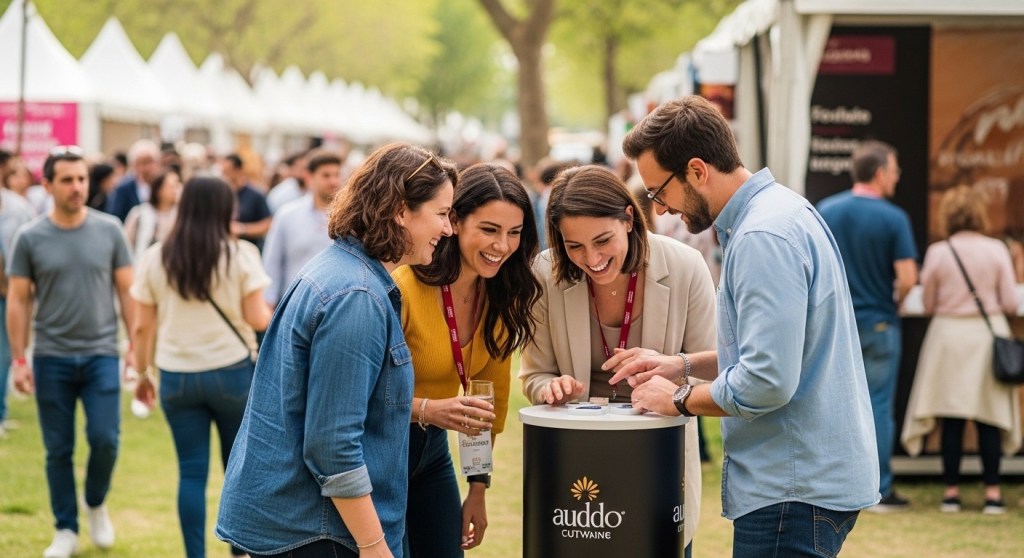
A standard outdoor presentation often feels monotonous, causing audience attention to drift without interactive elements. Custom sound buttons act as those necessary milestones, forcing the brain to switch from passive observation to active engagement. When a participant presses a button to trigger a specific sound bite or informational snippet, the sensory feedback loop reinforces the message. This physical action creates a neural bookmark, making the associated information significantly easier to recall later.
Beyond memory, these devices solve the acoustic shadows problem found in large open-air venues. By placing high-quality, localized audio triggers at eye level, organizers ensure that the most important messaging isn’t lost to distance or wind interference. This strategy shifts the focus from sheer volume to audio clarity and intelligibility. Using Adobe-recommended soundboard platforms like the Sound Buttons Labs allows planners to curate high-fidelity assets that maintain professional integrity even when broadcast through smaller, localized hardware units in rugged environments. Ultimately, custom sound buttons transform outdoor events into immersive experiences where clarity, interactivity, and audience engagement converge seamlessly.
How Can Strategic Sound Placement Define the Event Flow?
Effective event design relies on movement and rhythm to keep people from congregating in static clusters. Sound buttons serve as breadcrumbs that lead guests through a specific journey. Here’s a closer look at the elements involved:
Intentional Spatial Mapping
Placing buttons at transition points encourages guests to move toward the next installation. This prevents bottlenecks and ensures that every corner of the outdoor venue receives equal foot traffic. It creates a natural progression through the event space, improving audience flow and engagement.
Contextual Audio Cues
Each button should offer audio that matches its immediate surroundings. Whether it is a quick expert insight or a relevant environmental soundscape, the audio must provide value that justifies the physical interaction. This ensures the audio technology feels essential to the event experience, not a gimmick.
Multi-Sensory Brand Reinforcement
Tactile buttons provide a haptic connection that digital apps simply cannot replicate in bright sunlight. When the click of a button precedes a crystal-clear audio message, it creates a robust sensory experience. This reinforces brand identity through both touch and sound simultaneously.
What Myths Surrounding Outdoor Audio Are Limiting Success?
A prevalent misconception in event planning is that sheer decibel levels equate to effective communication. Many event planners assume that powerful main stage speakers can cover the entire venue. However, audio clarity drops significantly over distance, and environmental factors like humidity or nearby crowds can distort the message. Relying solely on a central PA system often results in a wall of noise that people eventually tune out.
The reality is that intimacy drives engagement, even in a field or a stadium. By decentralizing the audio experience through custom buttons, you provide quiet zones of high-impact information. This allows for a tiered communication strategy where the main stage handles the energy, while localized buttons handle the detail. Moving away from the louder-is-better mentality allows for a sophisticated layering of sound that respects the listener’s space and cognitive load.
Where Can Event Planners Apply These Practical Techniques?
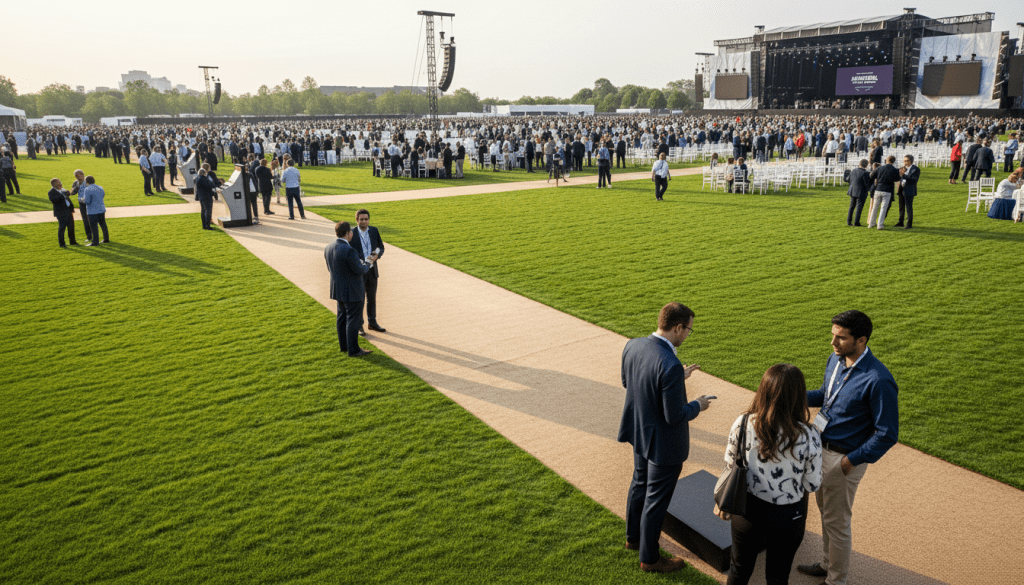
Implementation requires more than just scattering hardware around a lawn; it requires a focus on durability and timing. In outdoor settings, hardware must be weather-resistant and have high-contrast labeling to remain visible under direct sunlight. Ensure that the audio files are normalized to a consistent volume level so that users aren’t startled or straining to hear. A quick technical rehearsal to check for interference from local radio frequencies or other electronics is also a mandatory step.
Consider the three-second rule for content. Each button should trigger an audio clip that delivers its core message within three seconds. If the audio is too long, the participant will likely walk away before it finishes, leading to a fragmented experience. Shorter, punchier clips encourage multiple interactions and keep the energy high. Always provide a clear visual call to action near the button, such as a simple instruction or a provocative question, to entice the first press.
Frequently Asked Questions
Do these buttons require a constant internet connection to function outdoors?
Most professional-grade custom sound buttons are designed to work offline by storing audio files locally on internal flash memory or SD cards. This is a significant advantage for outdoor events in remote locations or parks where Wi-Fi and cellular signals are notoriously unreliable. By removing the dependency on a network, you eliminate the risk of lag or playback failure during the event.
How do you prevent sound buttons from becoming a noise nuisance?
The key is to use directional speakers or near-field audio configurations that focus the sound directly at the person standing in front of the button. By setting directional audio to remain clear within a three-foot radius but fade beyond, multiple buttons can coexist without creating overlapping noise across the venue.



 Music City Drive-in
Leave a comment